Protect Your Business from Roof Break-Ins | Atlas Security
Safety
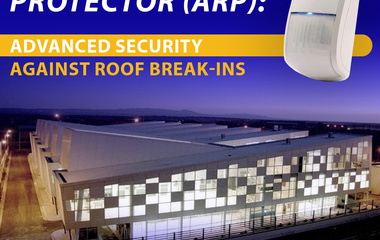
Criminals are breaking in through ceilings, targeting commercial properties on weekends and after hours when businesses are most vulnerable. Schools, warehouses, and retail stores have already been hit, with criminals bypassing traditional entry points to avoid detection.
How can you protect your business?
Atlas Security’s Atlas Roof Protector (ARP) is designed specifically for these threats. It detects movement in ceilings, warehouses, and other tough environments, ensuring criminals don’t slip through unseen.
> Built for extreme conditions
> Reduces false alarms
> Provides early detection before intruders reach your valuables
Don’t wait until your business becomes the next target! Strengthen your security with the Atlas Roof Protector. Contact us today to upgrade your protection.
- Your World Secure In Our Hands -
Read More

_Monthly%20(1).jpg)
Busy Weekend. Strong Response. Real Results
December 15, 2025
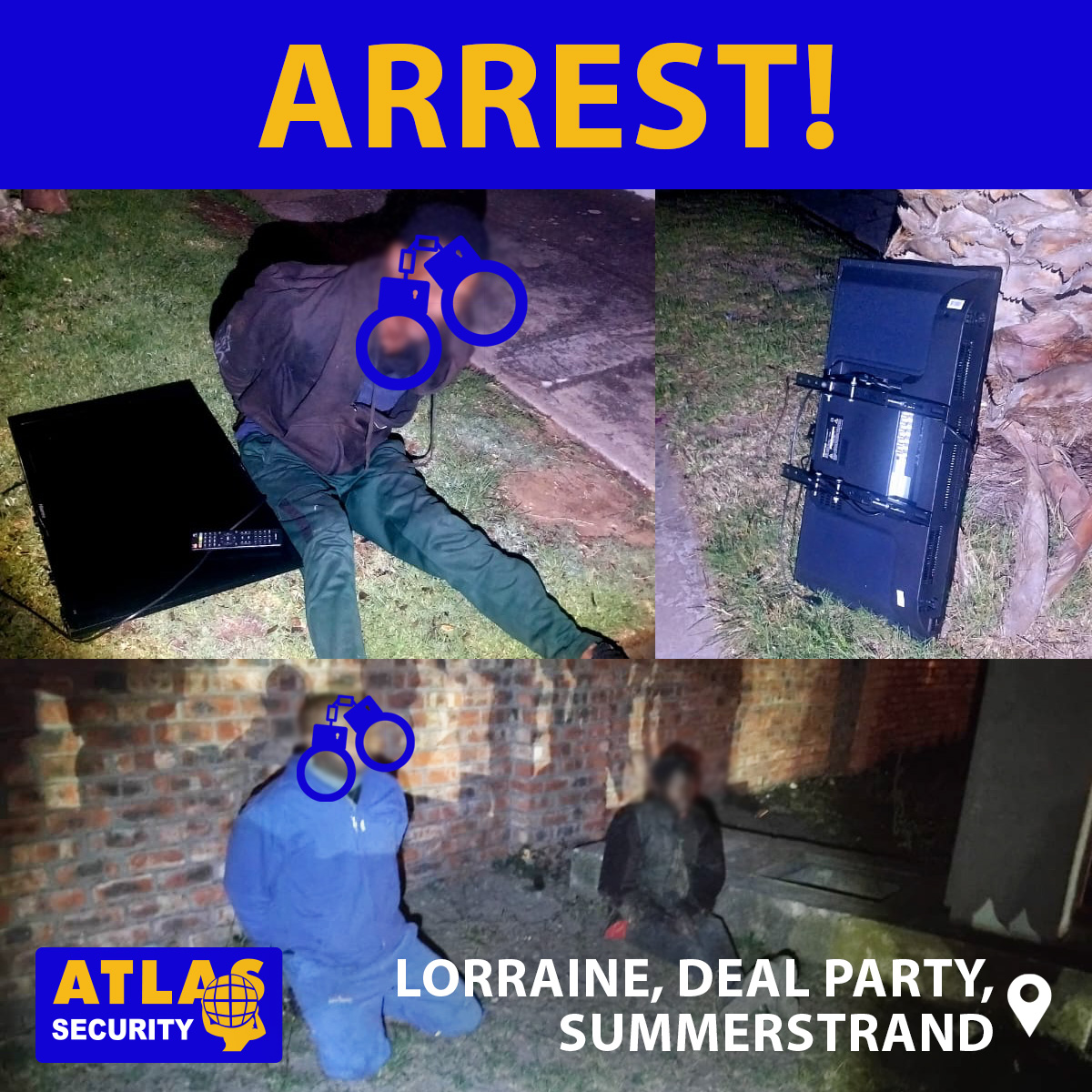
Weekends are usually our busiest periods and while we did see a spike in incidents across the city, especially with businesses being targeted, the real story is how well our teams performed. Despite increased activity, our armed response teams were on fire, securing arrests in areas like Lorraine, Deal Party and Summerstrand. Earlier this weekend, Atlas Security’s Control Room received a distressed phone call reporting suspected copper cable theft and damage to infrastructure in the Lorraine area. Atlas Security Armed Response Officer Bravo 20, while conducting routine patrols, observed a male walking with a large amount of cables.